15 November 2026 · HEGEMON · 0.1.0
Cities in 3D: Paris first, then a thousand more
HEGEMON's cities now stand on the map in 3D. Paris took more than twenty-five rounds to get right. France's ten other great cities followed, then the world's thousand largest, which grow with their people.
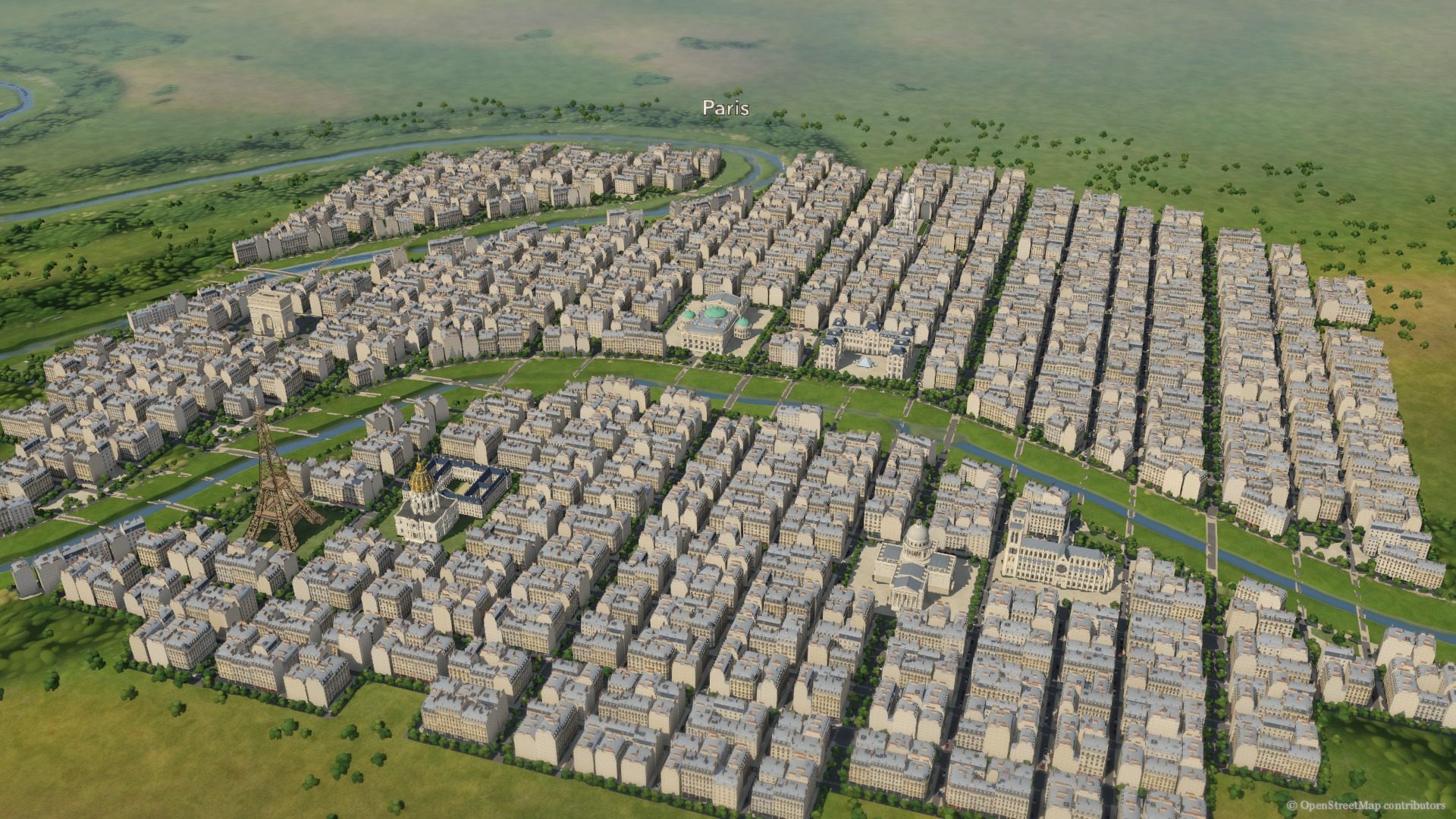
Until now HEGEMON's map showed the land, the water and the borders, and nothing people had built. This week the cities arrived. We started with one, Paris, and didn't move on until it was right.
Paris, round by round
The first Paris was a layout test: placeholder blocks on a flat backdrop. It looked like a toy, and we gave it 3 out of 10. Over more than twenty-five rounds, each one judged on stills taken in the game itself, it became the city you see here.
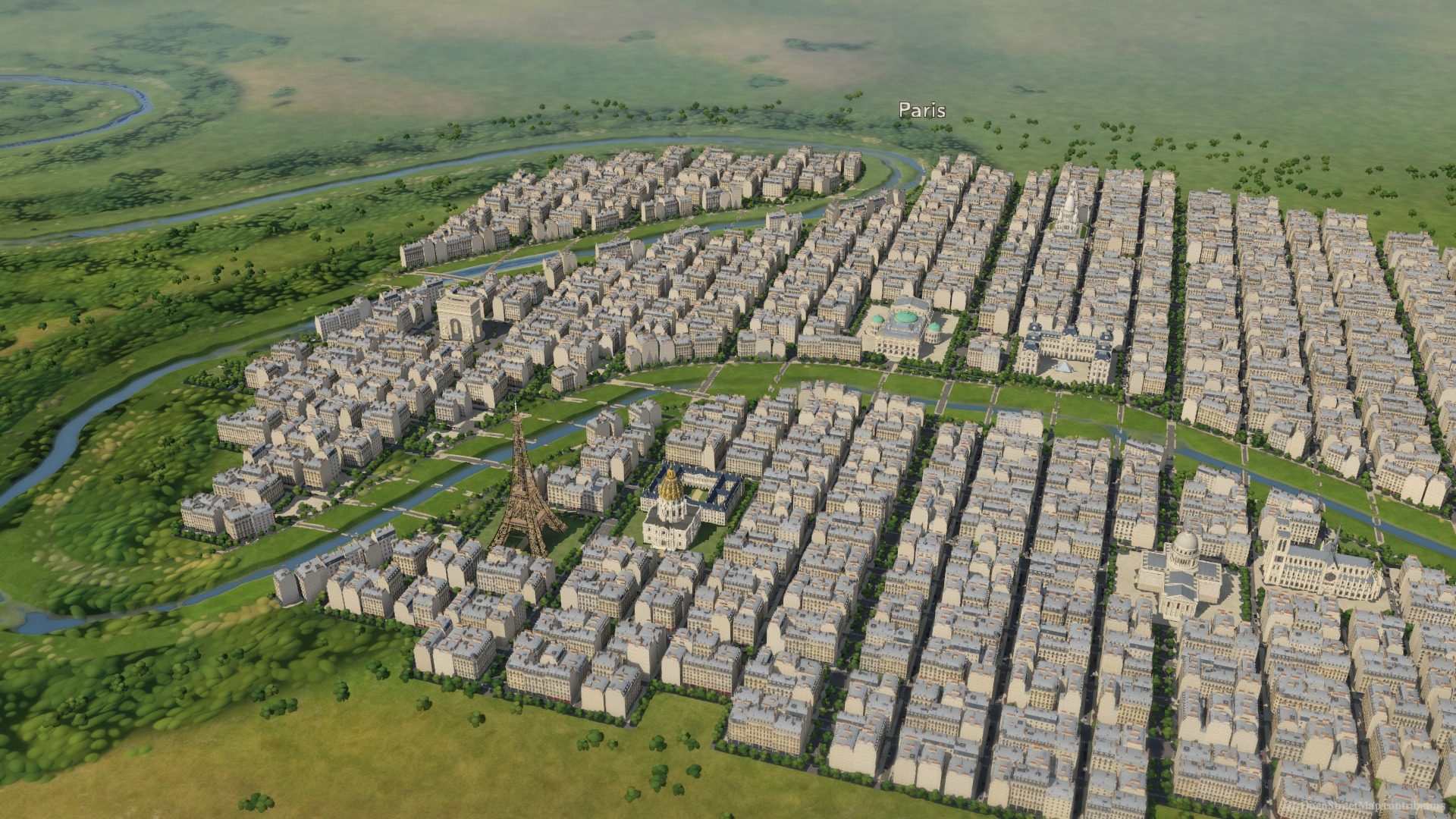
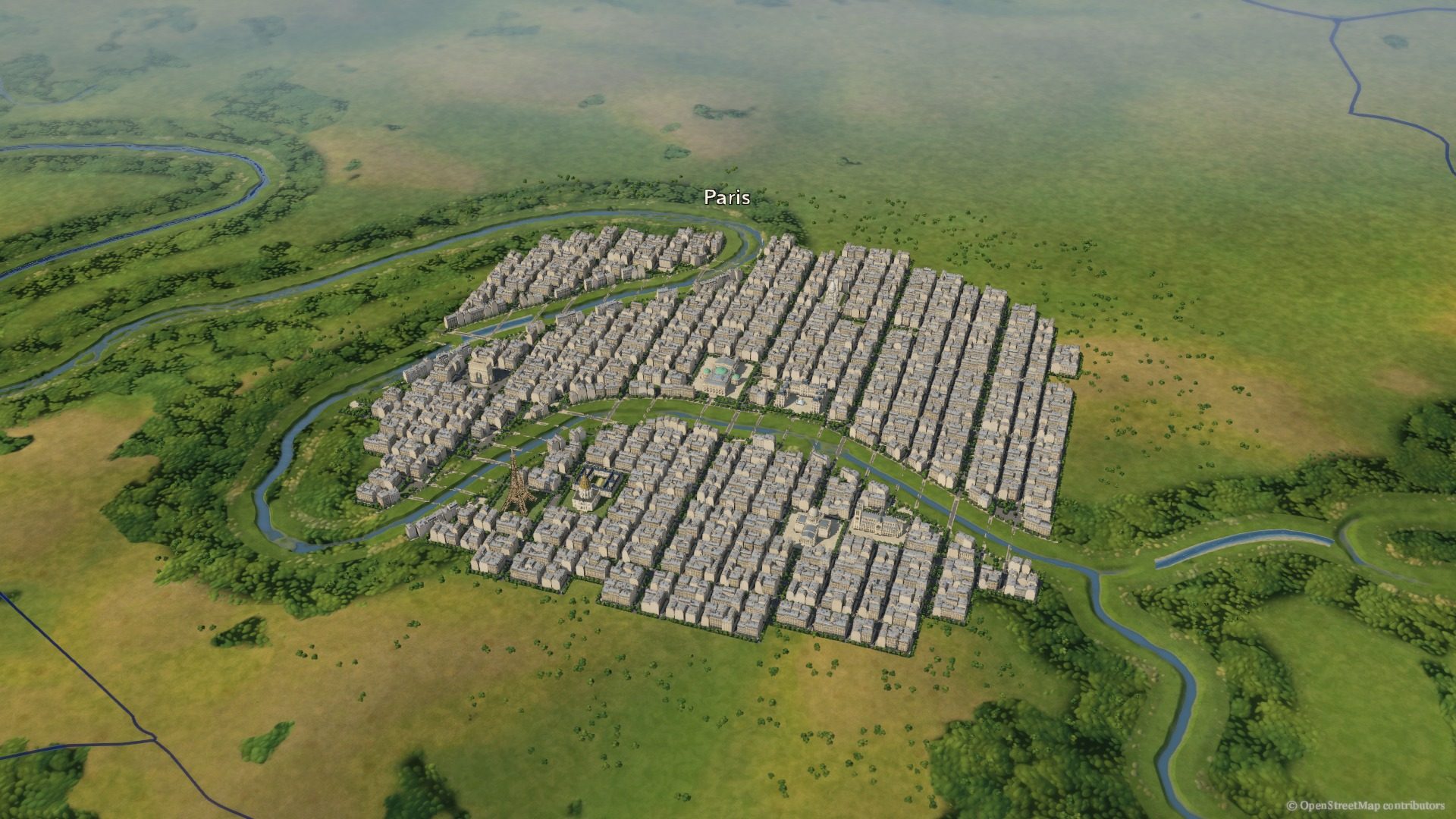
- The city fits the land, not the other way round. It is laid along the map's own Seine, with quays, bridges and green banks, and never draws a river of its own.
- We chose beauty over strict realism. This is Haussmann's Paris: pale stone fronts, slate and zinc roofs, orange chimney pots, and no towers.
- The buildings were made smaller and twice as many, so the city reads block by block.
- Twelve houses were modelled for this view alone, with corner buildings to end each row.
- Eight monuments were modelled one by one, each where it really stands: the Louvre, the Opéra, the Invalides, the Panthéon, Sacré-Cœur, Notre-Dame, the Arc de Triomphe and the Eiffel Tower.
France
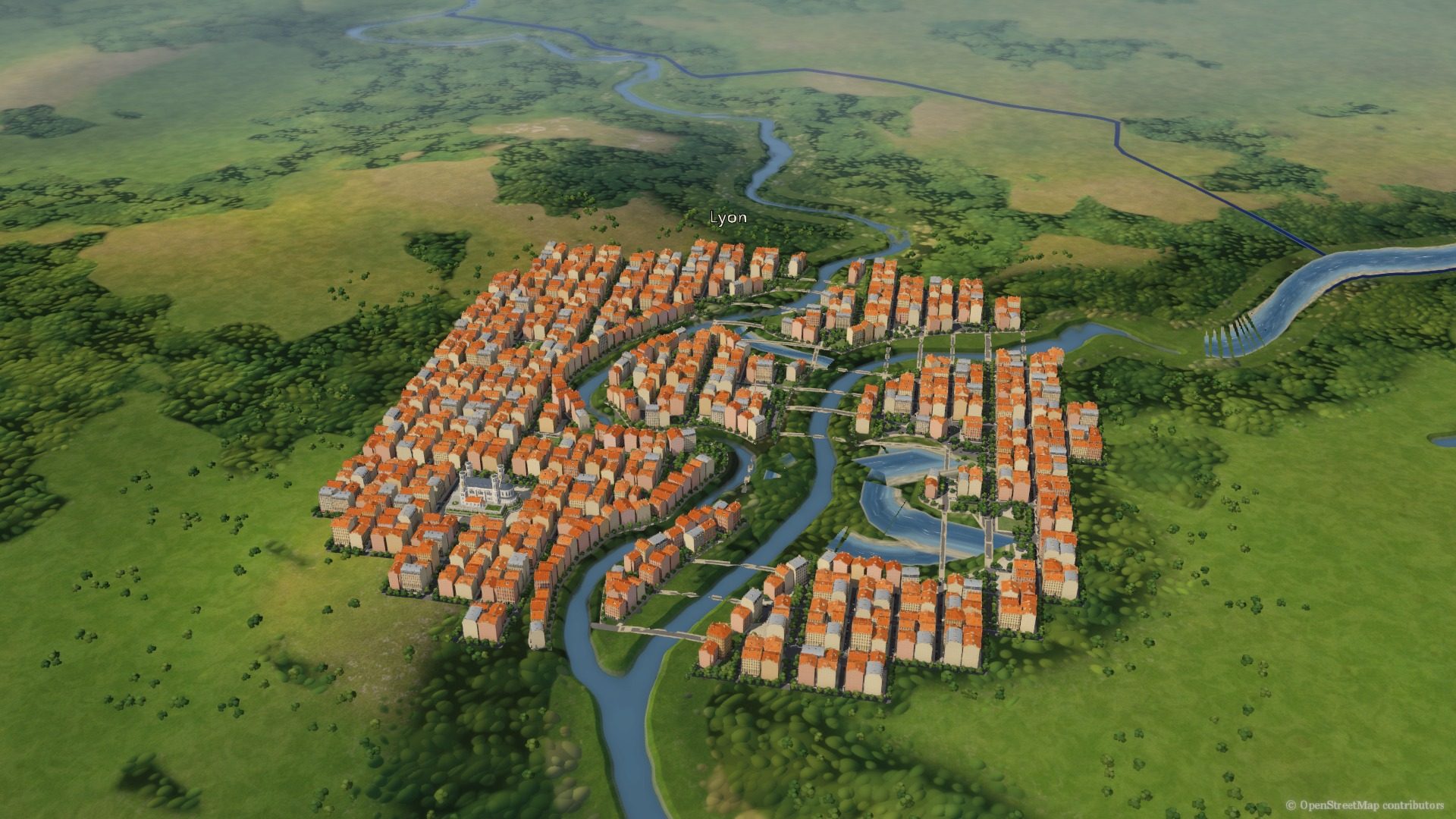
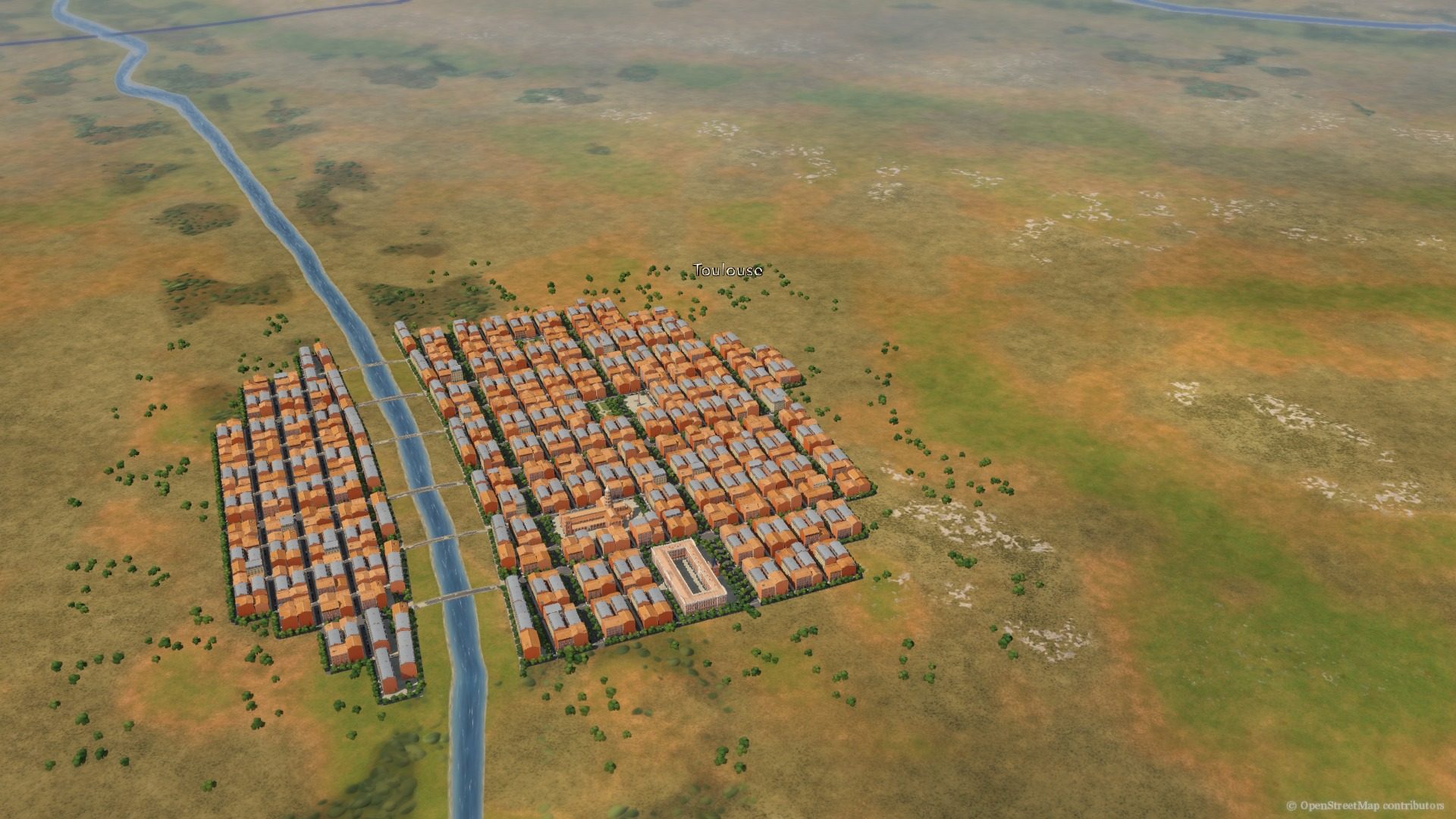
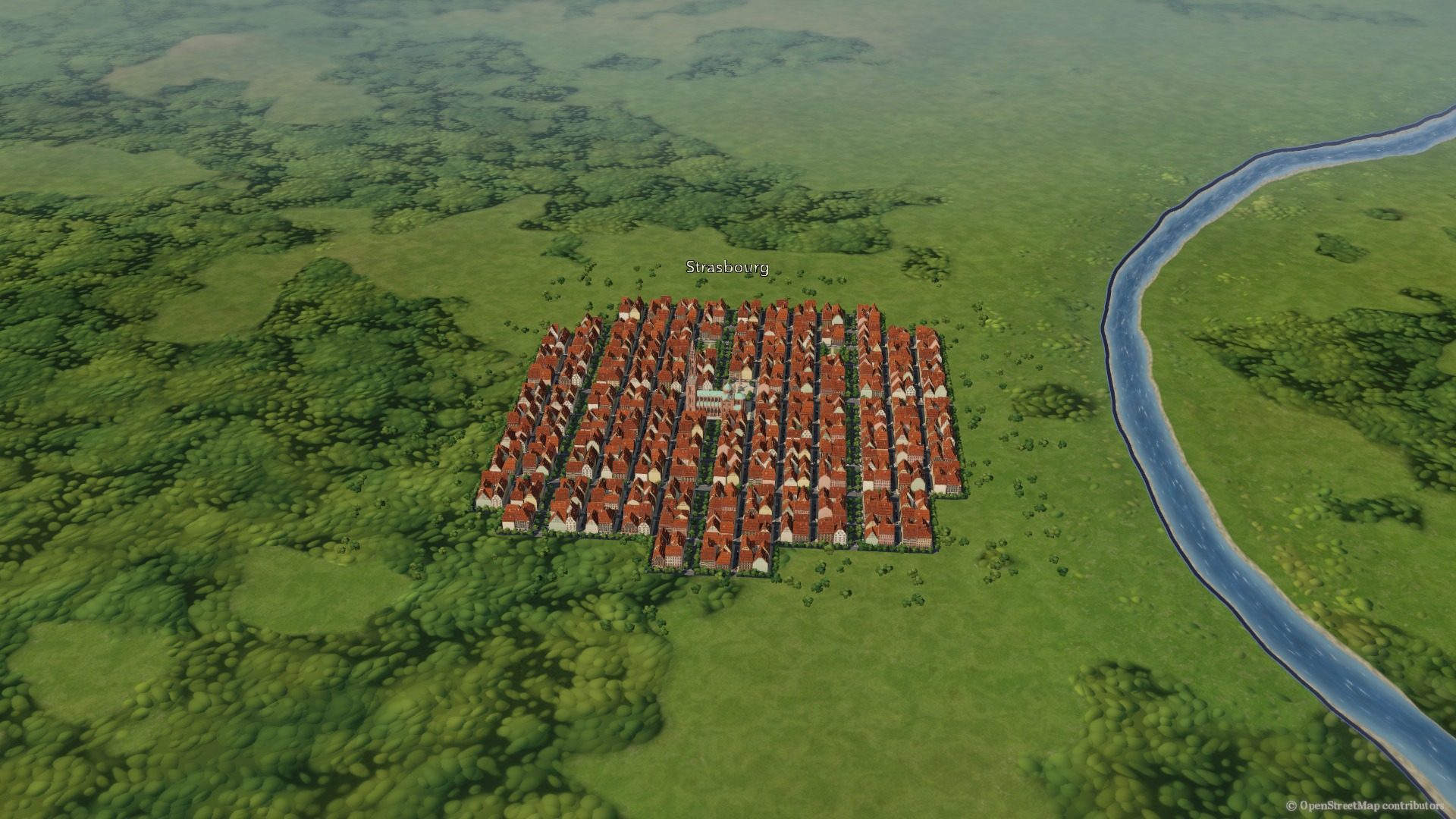
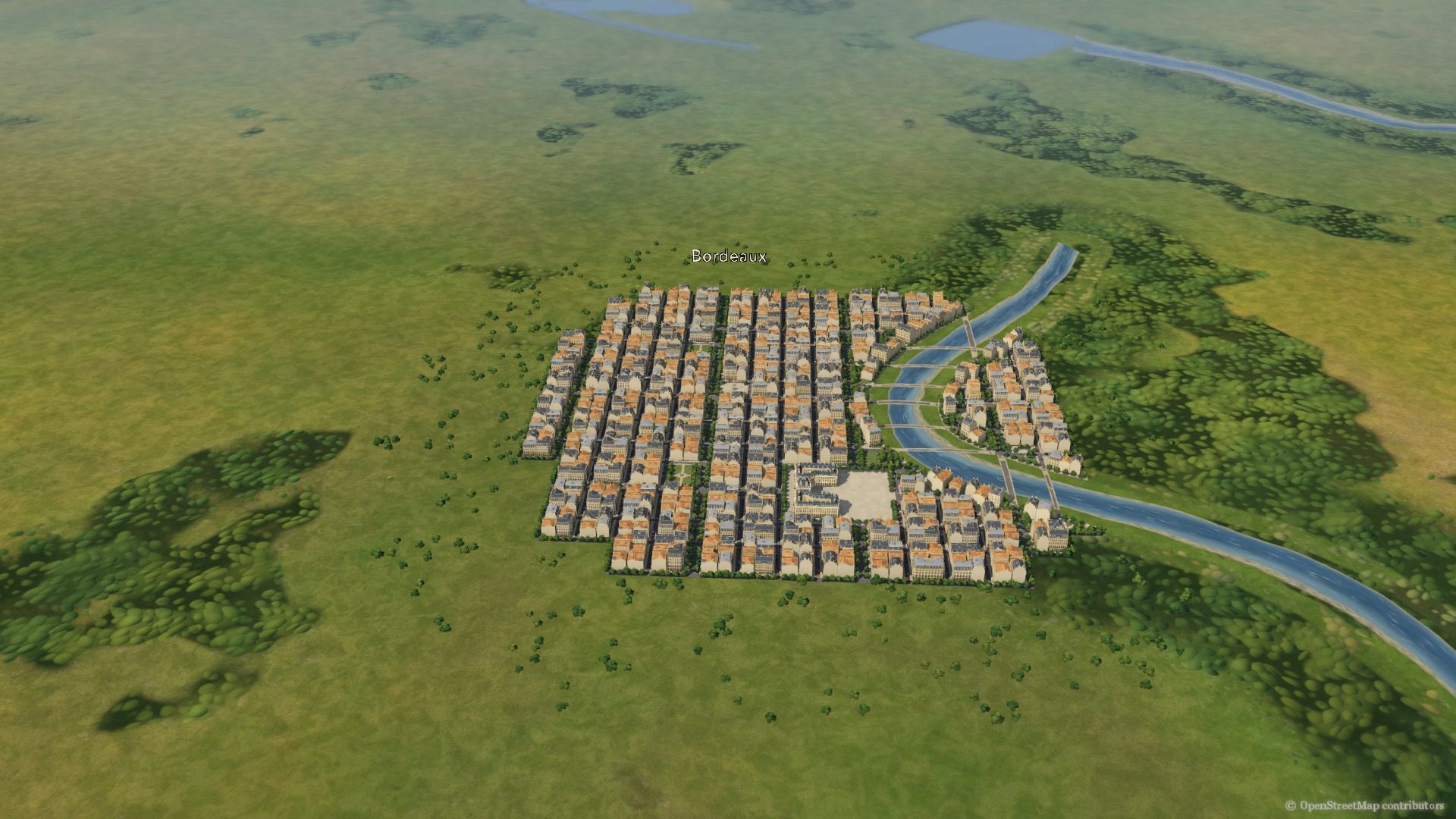
Then France's ten other great cities, each in its own style, with its landmarks where it has them: Lyon under orange tiles with Fourvière on its hill, Toulouse in pink brick with the Capitole and Saint-Sernin, Strasbourg's steep roofs and its cathedral, Bordeaux and the Place de la Bourse, then Marseille, Nice, Nantes, Rennes, Lille and Montpellier.
A thousand cities
The world's 1,000 largest cities are now laid out on the map, and most already stand in 3D. Each takes the style of its region, from stone and tile to concrete blocks and glass towers, in 17 families, and no two are laid out alike. A city's size follows its population. As its people grow, so does the city, up to three times, and it never grows across a border. No skyscraper appears twice in the same city. Seen from high above, a city becomes a picture of its streets with a faint glow of street lights, which keeps the whole world light to draw.
Next: forty iconic cities
Paris was the proof. Forty of the world's most famous cities come next, each built the same way, with its own monuments and its own streets: London, New York, Rome, Istanbul, Tokyo, Moscow, Cairo, Rio de Janeiro, Kyoto, Jerusalem and thirty more, about 150 monuments in all. The first are already built. The full list is in our post Forty iconic cities, built like Paris.